P.O. Box 1965, Kihei, HI 96753

Tag: Snorkeling in Maui

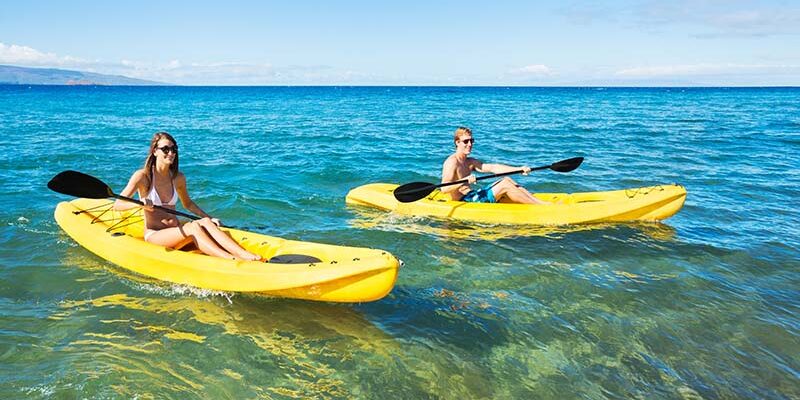
Eco-Friendly Kayaking in Maui — What You Need to Know

Aloha, ocean lovers! If you plan a Maui trip, kayaking would be an excellent option to discover the island’s clear waters. However, with a fantastic adventure, you also have a great obligation. Maui’s reefs, turtles, whales, and corals are fragile; hence, protecting them means a little learning of some straightforward eco-friendly practices. This guide is your legal guidelines and wildlife etiquette, the best eco-tour operators, must-have gear, and safe paddling habits all rolled into one. By implementing these measures, you will have a great time that will last forever in your memory, and at the same time, you will leave behind nothing but gently flowing water.

Quick Overview — The Essentials

Kayak trip in Maui, however, is not simply kayaking; it is an opportunity to experience the reefs packed with life, see the colorful fish, and the rare turtles, which seem to be gliding by. However, due to the fragility of this ecosystem, you will have to comply with local laws and eco-rules. Maintain a safe distance from sea creatures, wear sunscreens that are safe for reefs, and make sure that there is no coral underneath your feet. It is also very important that you check if the kayak tour operator holds a valid license, and pay attention to the areas used for conservation, such as Molokini, where the regulations are the strictest. A few cautious moves will not only ensure that the ocean of Maui will be as beautiful for future tourists and the sea creatures living there, but will also help you keep the ocean’s beauty.

1) Legal Must-Knows: Wildlife & Protected-Area Rules

Hawaiʻi is definitely serious about its ocean inhabitants, and not without cause, the law protects sea turtles, monk seals, and coral reefs. It is forbidden to harass, feed, or touch animals, and the offenders can be fined a lot. Besides that, at Molokini Shoal MLCD and other Marine Life Conservation Districts, there are some more limitations: no fishing, no taking off the sand or rocks, and no disturbing the animals. Also, commercial kayak operators must have a legitimate license, so always verify your tour company’s authorization. By learning the regulations before you head out on your paddle, you will not only be a great helper to the ocean but also stay away from unwitting violations.

2) How Close Can You Get to Turtles, Whales, and Seals?

One of the most important rules of eco-friendly kayaking is not to disturb the animals. In the case of sea turtles, although they appear very calm, your too close approach will cause them a disruption of their natural behavior. A minimum distance of 10 feet in water for turtles, and 100 yards for whales and monk seals, is recommended by NOAA. At these distances, animals are able to get their food, take a rest, and move around without any signs of stress. If a sea turtle or a dolphin comes close to you, remain still and let them continue their way. A good guideline: if the animal changes its direction because of your presence, you are too close. Keeping these distances not only makes the experience safe and unforgettable, but also really awesome.

3) Molokini, MLCDs, and Other No-Go Behaviors

Molokini Crater is known around the world for snorkeling and kayaking, but it remains one of the most ecologically sensitive spots in Maui as well. As a Marine Life Conservation District, it is under the strictest protection-you are not allowed to fish, collect shells, or feed the animals. In an effort to avoid reef destruction, the release of anchors has been limited in some areas, and commercial operators must have a special permit to take a group there. These rules, for instance, apply to other MLCDs such as Honolua Bay and ʻĀhihi-Kīnaʻu as well. Always check the posted signs before you start. By sticking to these regulations, you will be a part of the coral growth that takes hundreds of years to regrow.

4) Choosing an Eco-Friendly Kayak Operator

Not all kayak tours are the same – some are solely focused on the thrill, while others are made to be environmentally friendly. When booking, search for companies that have a low number of people in the group, staff their guides with marine ecology, and provide a detailed briefing about wildlife etiquette. For example, responsible companies are involved in such activities as reef care, coordinating beach cleanups, or working with local tour operators to reduce plastic usage. You may also inquire: “Are you using reef-safe sunscreen?” or “What are you doing to protect the corals that are multiplying?” Selecting a caring operator will not only guarantee you a safe and comfortable ride with nature in Maui.

5) On-the-Water Etiquette — Practical Behavior

Environmentally conscious kayaking revolves around the idea of being aware of your surroundings while on the water. Be gentle with your paddle and do not disturb the reefs or animals by splashing. In no way obstruct a turtle’s way, and control the desire to touch or give food to marine life. If you go snorkeling, get in the water from a sandy spot and make sure you are not standing on the coral, even one step can kill the tiny polyps. Try to keep the volume of your voices low to prevent scaring fish or birds that live near the water. Instead of moving closer to take a perfect picture, use the zoom of your camera. These minor habit changes go a long way in the safety of the reef.

6) Eco-Gear Checklist

Really, the eco-friendly packing is easy, and by simply doing it, you become a big change. You should definitely start with reef-safe sunscreen with non-nano zinc oxide as an ingredient – it’s the best way to protect your skin and not kill the reef. Also, a rash guard or a long-sleeved swim shirt can be worn to minimize the amount of sunscreen that is used on your body. Why not take a reusable water bottle with you instead of a single-use plastic one and pack your own snacks in reusable containers? It is great to use a dry bag for all your trash, including tiny wrappers that you can pack out. For more comfort, you can also put kayak padding that will prevent reef scrapes in case of a capsize. Every small choice you make has a very powerful impact on saving the ocean of Maui.

7) Where to Kayak Responsibly in Maui

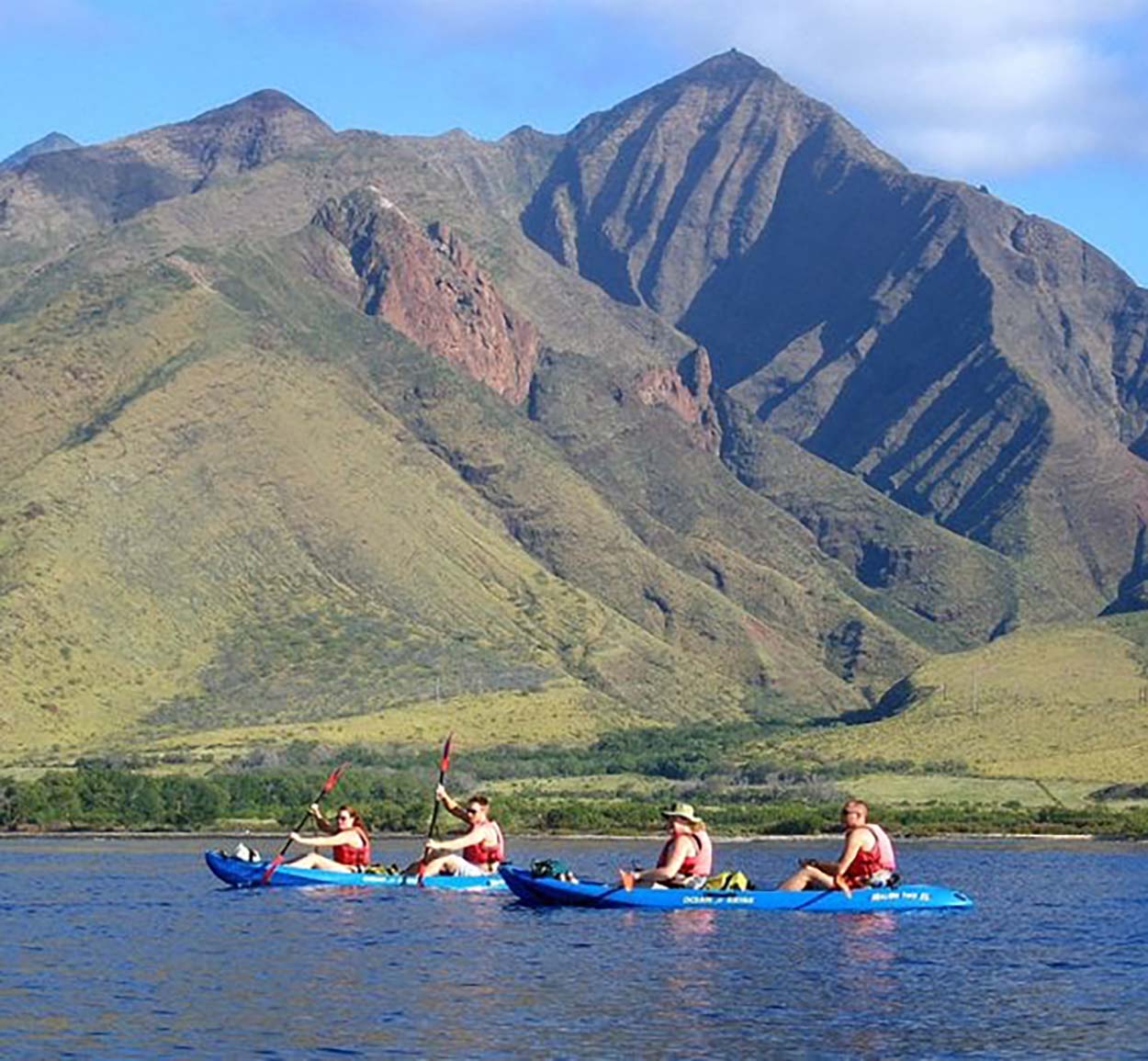
Maui has some of the most amazing and eco-friendly kayaking locations, like Makena (near Turtle Town), Olowalu (also known as Turtle Reef), and the bays of the south and west shores. These spots are generally very calm with incredible reefs, making them perfect for the inexperienced kayakers and kids. To protect the reef, it is a must to always launch from clean sandy beaches and never from coral flats. If you are a beginner in kayaking, the guided tours will fit you perfectly as they know the safest currents, the most beautiful secret caves, and the seasonal arrival of wildlife. By proper and responsible planning, you will have a wonderful time getting the beauty of nature in Maui and at the same time, keep it safe.
Makena Turtle Town Eco Kayak Tour

Makena Turtle Reef Discovery Kayak Tour

Try our Makena Turtle Reef Kayak Tour, designed for nature lovers who care about the ocean.

🕒 Duration: 2.5 – 4 hours | From: $109/per person

✔️ Free cancellation: up to 24 hours

Check Availability

8) Timing & Seasonal Considerations

Most certainly, the early morning time should be the best hour to consider for eco-kayaking in Maui, as at that time, usually the sea is calm, the winds are light, and the visibility is good. Not only does this make it less harmful to the reef, but it also makes it more likely to see turtles or dolphins.

If you want to see the beautiful whales, you will have to wait a little, as the humpback whales are coming from December to April to the Maui waters, so kayakers have to be very careful and keep a good distance from the whales. Some areas may be temporarily restricted due to coral spawning or restoration.

Really checking with the local operator or looking at the local notices for the conditions is the smart thing to do. If you are aware of all the seasons, you will have a safe and eco-friendly trip.

9) What to Do If You See Injured or Entangled Wildlife

At times, paddlers might come across turtles that have nets wrapped around their bodies or birds that have gotten tangled in plastic. Although the impulse to save them can be intense, it is still advisable to report the situation to the rescue centers or the guide. Find the spot, photograph it if it’s possible, and inform the lifeguards, harbor staff, or the tour operator in the area. An on-time report allows the professional responders to arrive with the right tools to do the rescue. You are helping to keep the sea clean by being responsible.

10) Simple Actions That Have Big Impact

Eco-friendly kayaking is not just a ride along the beach, it is about the continuous green practices. Completely reject single-use plastics, use your own bottle, and apply reef-friendly products every day. If you are able, donate or volunteer to the community to support the local conservation programs. Tell your friends and fellow tourists so that they can also follow eco-friendly practices. Choose small, locally-owned businesses that are committed to sustainability.

Most importantly, you must keep the 10-foot rule for turtles and the 100-yard rule for whales. The Maui ocean will definitely remain colorful for the next generations if you do these small things.

Closing — Paddle With Aloha

Eco-friendly kayaking in Maui is really about keeping the balance, enjoying the ocean’s beauty, which is given by nature for the next generations. Your journey, which is more than just an excursion when you follow the local rules, select mindful operators, and pack with care, becomes a way to return to the earth. Reefs, turtles, and whales need paddlers who respect them just like you. Next time, when you are off to paddle on the beautiful blue waters, you will know that you are making only small waves and not causing any damage. Mahalo, and happy paddling!
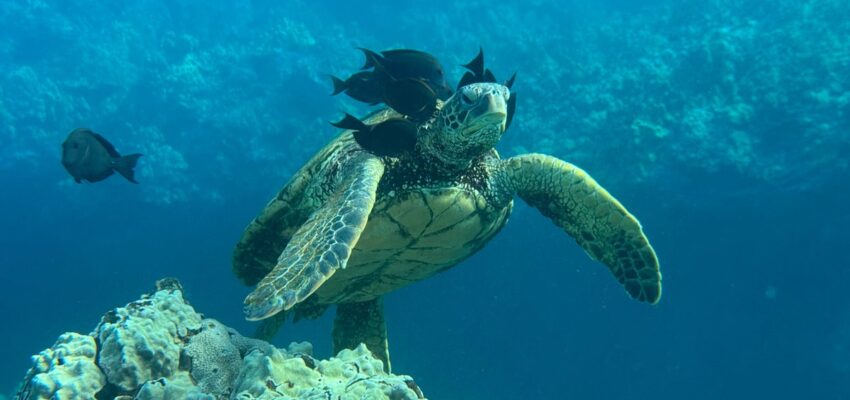
7 Tips for Snorkeling with Sea Turtles in Maui

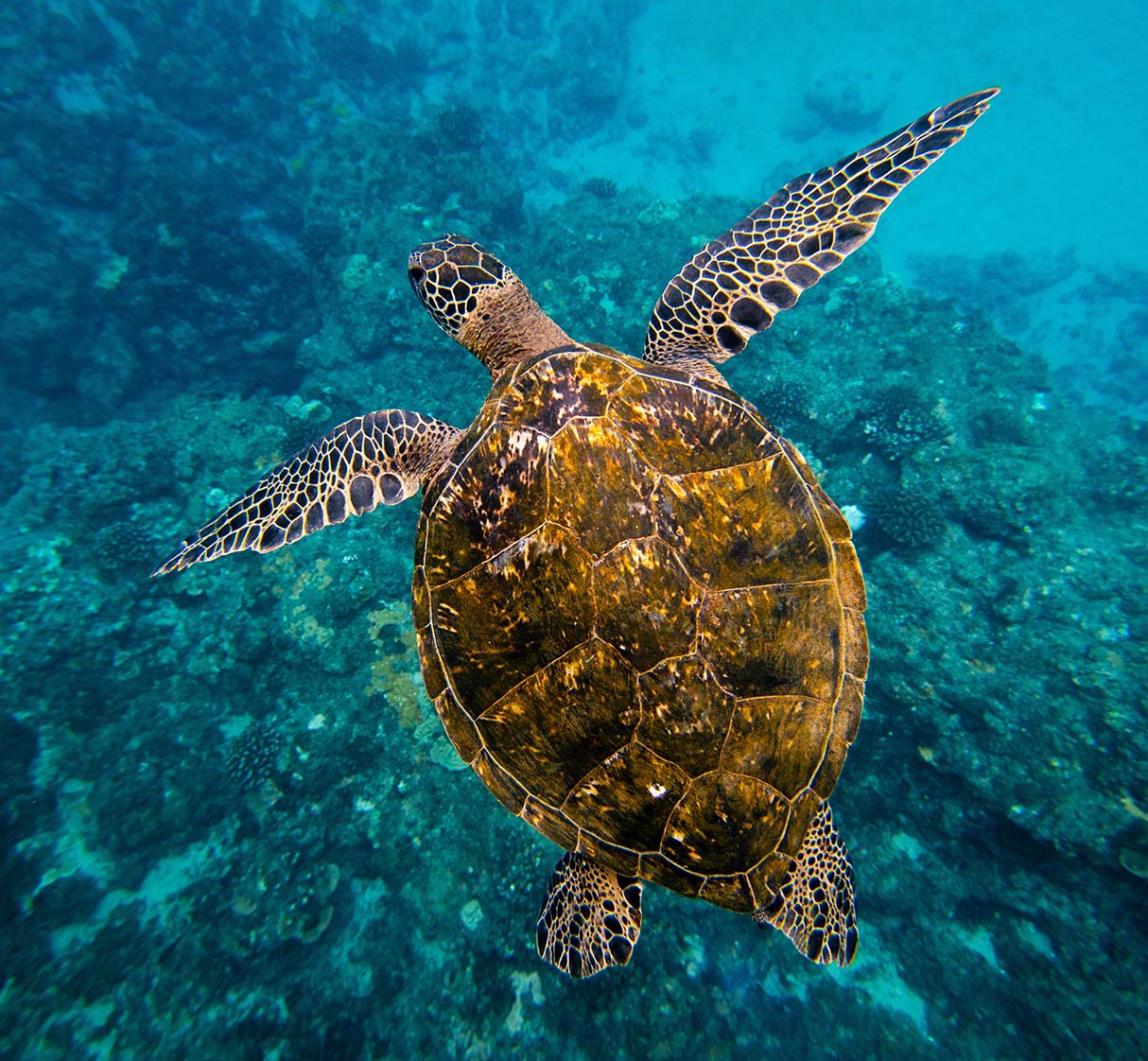
Snorkeling with sea turtles in Maui is not just an ocean activity; it is a once-in-a-lifetime experience that allows you to connect with Hawaii’s marine life in the most pure and amazing way.

The Hawaiian green sea turtle (known locally as honu) is a symbol of good luck, long life, and intelligence in Hawaiian culture. Hence, seeing them moving softly in Maui’s blue waters or watching them sunbathing on the white sandy beaches is a memory that you will cherish forever.

Anyway, snorkeling with turtles is not just about fun; it is also about responsibility. Turtles have got the law protecting them in Hawaii, so keeping their habitat safe is the only way that we ensure that there will be turtles for future generations.

We will go through a detailed guide which includes:

  • Where to find the most turtles in Maui while snorkeling.
  • Seven safety and courtesy tips that will help you get the most out of your encounter with these creatures.
  • Practices of traveling that are friendly to the environment and that protect marine life.
  • Frequently asked questions about getting into the water with turtles in Hawaii.

We’re diving straight in! 

South Maui kayaking and Snorkeling tours

South Maui Premier Kayak and Snorkel Tour

One of Maui’s best tours – this kayak & snorkel tour is our premier outing – lots of paddling and two (2) snorkel stops.

🕒 Duration: 4 hours | From: $139

✔️ Free cancellation: up to 24 hours

Book Now

1. Know the Best Places to Spot Sea Turtles in Maui

Snorkeling with sea turtles is a great experience. If you want to do that, finding and visiting the right location is half the fun you get. Even though turtles live in the sea around Maui, there are places where you can see them much more. These places usually have water without too many waves, and the surfaces where there is algae and coral are the areas where turtles eat and sleep.

Turtle Town (Maluaka Beach, South Maui)

One of the most well-known places to go snorkeling to see sea turtles in Maui is Turtle Town, which is near Maluaka Beach in South Maui. Its water without many waves, the lava rock reefs, and the large number of algae make it a natural turtle magnet.

  • Best for: Beginners, water with no or little waves.
  • What to expect: Very good light for the underwater vision, the presence of few or no waves, and the sightings of turtles becoming more frequent.
  • Be there early in the morning before the boats start coming to get the place for yourself and enjoy your peaceful time here.

Maui Kayak Snorkel Turtle Reef Discovery tours

Turtle Reef Discovery Tour at Makena Bay

Our 2.5 – 4 hours Makena Turtle Reef Discovery tour is designed for families and kids.

🕒 Duration: 2.5 – 4 hours | From: $109

✔️ Free cancellation: up to 24 hours

Book Now

Napili Bay (West Maui)

Napili Bay, a crescent-shaped bay in West Maui, is a great place for families and beginner snorkelers. Sea turtles are a common sight to be seen as they feed on the rocks to the left and right of the bay.

  • Best for: Families, beginner snorkelers.
  • What to expect: Sand entry, shallow reef, and turtles spotted near the shore.
  • The highest turtle activity is often found at the north end of the bay.

Black Rock (Kaanapali Beach)

Black Rock, which is at the northern end of Kaanapali Beach, is not just a popular place for cliff diving but also a great place to watch turtles while snorkeling. The lava rock walls are full of algae, so turtles come there every day to feed.

  • Best for: Adventurous snorkelers, strong swimmers.
  • What to expect: Deep waters near the rock, good visibility, fish schools, and turtles.
  • You will find the best chance of spotting turtles if you snorkel along the right side of the rock.

Makena Landing (South Maui)

Makena Landing is a silent, off-the-beaten path, and pretty much deserted place where sea turtles can be frequently seen swimming along the shore. It is also a place where SUP (stand-up paddleboarding) with turtle sightings has been gaining popularity.

  • Best for: Those who want to avoid the crowd.
  • What to expect: Rocky entry, calm mornings, turtle sightings in shallow water.
  • It is the best place for sunrise snorkeling when the waters are glassy.

2. Keep a Safe Distance (The 10-Feet Rule)

Hawaiian sea turtles are protected under federal laws such as the Endangered Species Act and the Marine Life Conservation Law of Hawaii. This means:

  • Do not get closer than 10 feet (3 meters) to turtles in the water.
  • Do not try to touch, ride, or feed them.
  • Do not cover their way to the surface; they need to breathe, after all.

Why it matters:

  • Tightening the space may cause turtles to be stressed, disrupt their feeding, or they may be put them in danger.
  • Breaking the rule can be punishable with a fine of up to $10,000.

Respectful snorkeling tip: If a turtle swims toward you, stay still and let it pass this way; you get a close encounter without breaking the law.

3. Use Eco-Friendly Sunscreen and Gear

Turtle conservation should also be at the top of the list of their habitat conservation works. Coral reefs, which are the source of food for turtles, are very fragile when it comes to chemicals.

  • Do not use sunscreens containing oxybenzone & octinoxate: The reason for these ingredients to be banned is that they are very harmful to coral reefs.
  • Use a reef-friendly sunscreen: Go with a mineral-based product with non-nano zinc oxide.
  • Wear protective swimwear: A rash guard or UV-shirt offers additional protection against sun rays, hence less sunscreen is needed.
  • Eco-friendly equipment: Opt for snorkeling fins that are less likely to stir up sand or harm the coral.

Eco-friendly practice supporters are the first to benefit from clean oceans as a food source for turtles.

4. Master Snorkeling Safety Basics Before Turtle Encounters

Having self-assurance in water will really make turtle encounters much better to enjoy. Before concentrating on turtles, limit your time to just a few minutes to test your gear and to practice breathing with your snorkel. Leaks and fog can be avoided by using a well-fitting mask, while for your movement, that is smoother and without splashing, you can use your fins.

Snorkeling with a buddy is a must, even though you are in a calm bay. For safety, the conditions in Maui can change very quickly, hence, having a partner will be sure that you are safe if the currents pick up. If you are completely new to snorkeling, it will be better for you to begin in shallow water and then move gradually toward reefs where turtles are likely to be.

Generally, the more you are floating calmly, the more the turtles are likely to swim near you. Do not dive straight down at the turtles, instead, remain at the surface, watch, and enjoy the natural encounter.

Get a great anti-fog spray for your mask, or just apply a little baby shampoo inside the lens, which is quite simple to clean. With a clear vision, you will never miss any turtle that is passing by.

5. Respect Turtle Behavior

Sea turtles have never been pets or show items, they are wild animals.  Meanwhile, the sure way to make it possible for them to live in the Maui waters is to see them without any disrespect. If a turtle happens to be eating algae, please do not disturb it so it can eat in peace. The fact of someone touching or feeding a turtle only serves to waste its natural behavior, as it may become a creature that is overly reliant on human beings for food.

Please do not chase turtles for photos or block their way as they swim up to breathe. Access to the surface is necessary for them every few minutes, hence, blocking them can cause quite a bit of stress. Flash photography is equally not good as the light will disorient the turtles underwater.

Actually, it is more interesting to watch the turtles as they feed, glide effortlessly, or rest quietly on coral heads. You will see the turtles acting in their usual way, which is far more satisfying than forcing interaction by staying at a distance from them.

Great turtle photos can instead be achieved by shooting wide shots that show the animals in their environment, rather than taking close-ups. You respect their space this way and still get stunning images.

6. Time Your Visit for the Best Experience

It is possible to spot turtles in Maui at any time of the year; however, the conditions are very important. Typically, the best time to snorkel is during the morning hours from 7 am to 10 am, which corresponds to the time when the ocean is usually calm, the winds are light, and the visibility is at its peak. It is also the time when turtles are the most active because they are feeding along the reefs.

The sea is calmer in the summer months (May–September) in South and West Maui, so these are the perfect periods and places for snorkeling. Nevertheless, the winter season in the North Shore is characterized by big waves, and as a result, you should limit yourself to places like Turtle Town in South Maui if you want to go snorkeling in a safe environment.

Just after heavy rains or storms, it is better not to snorkel because the runoff causes the water to become murky, which makes visibility very low, and in addition, it may bring some debris to the turtle habitats.

It is recommended that you plan your snorkeling session before the trade winds get up, which is generally late morning and afternoon. The photos will be better, you can snorkel longer, and the turtles will be more active if the sea is calm.

7. Choose Responsible Tours and Local Guides

If you lack the confidence to go snorkeling by yourself or simply want to have the insider knowledge, a guided turtle snorkeling tour would be perfect for you. Professional guides are aware of the safest, least crowded places, and they can also teach you about the conservation of turtles.

Pick companies that are eco-certified, maintain small group sizes, and instruct guests on the protection of marine life. A lot of the tours are offering reef-safe sunscreen, high-quality gear, and even underwater photography packages. Some tours have snorkeling as well as kayaking or stand-up paddleboarding together for a different experience.

These tours not only extend your opportunity to discover turtles but also assist in the local Maui’s economy and conservation efforts. Exactly, the operators of good practices will satisfy you with fun while obeying wildlife laws.

Before deciding to book, read the reviews. Trying to find references to small groups, knowledgeable guides, and strong safety practices is probably a great way to get a more personal and eco-friendly experience.

Capturing the Perfect Turtle Photo

Everyone wants that stunning photo of turtles, but don’t let taking pictures be your main focus. You get the best images when you are relaxed, patient, and respectful of their territory. Almost all turtles come up for air, so be there at the surface, watch, and get ready when they approach.

Basically, a GoPro or a water-resistant camera, best with a wide-angle lens, is the perfect gear for shooting. Also, you should always have your camera secured with the wrist strap or with a floating grip so that it doesn’t fall into the water. Don’t use selfie sticks in an aggressive manner as they can scare turtles and other snorkelers.

The early morning hour is best to get vivid underwater shots as the light is ideal. Take pictures not only of the turtle but also of the beautiful reef around it. These photos will be more meaningful and will be able to tell a story.

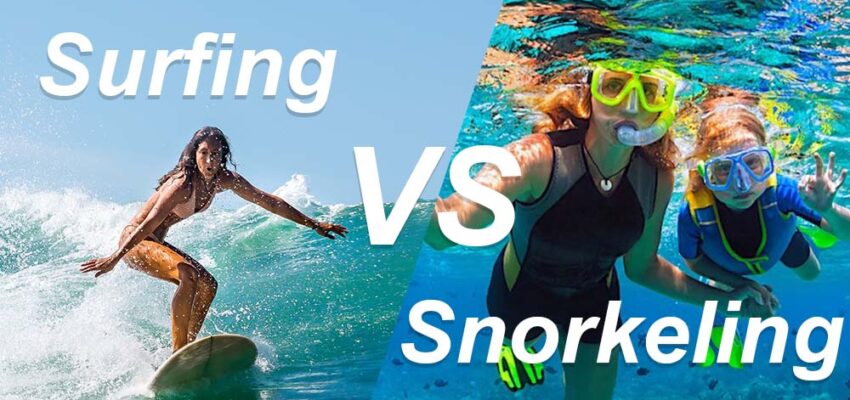
Surfing vs Snorkeling in Maui – Which One Should You Try First?

Have you ever dreamt of flying over the ocean or swimming with seaweed in the clear and warm tropical sea? In Maui, the hardest choice can be which water activity to pick first, surfing or snorkeling.

They both are their own way of extraordinary and one of a kind experiences. In case you are in a dilemma that one to resort to we are going to help you to decide using your adventure level, comfort in the ocean, and what experience you are asking for your soul. So let’s do it together!

Surfing in Maui: Ride the Waves Like a Local

The tranquil surf spots of Maui are widely known and especially in Lahaina, Kihei, and South Maui, which are very suitable for novices. If you want to learn to stand up on a board and enjoy the thrill of the first wave, Maui surf schools are open all year round and have instructors who are both experts and who make learning a very enjoyable experience.

Why You’ll Love Surfing:

  • The favourite of the thrill-seekers – The first-time wave surfer’s elation is unmatchable.
  • Superb full-body workout – Strength, balance, and coordination are the benefits of surfing.
  • Awesome ocean views – Watching the daybreak or the setting sun from the water is totally breathtaking.
  • Perfect beginner spots – Newbies can have a go at a gentle Kalama Beach Park wave break on South Maui beaches.

Best Time to Surf in Maui

Summer (May-September) is a great time for inexperienced surfers to work on the south shores.

Winter months in the north shore bring very strong waves (therefore, it is suitable just for those who have good surfing skills).

Surfing vs Snorkeling in Maui – A Quick Comparison

Feature Surfing Snorkeling
Skill Level Beginner to advanced Beginner-friendly
Physical Intensity Moderate to high Low to moderate
Gear Needed Surfboard, leash Mask, snorkel, fins
Best For Thrill-seekers, active travelers Families, nature lovers
Time Needed 1–2 hour lesson 2.5 – 4 hours
Wildlife Interaction Limited (mostly above water) High (fish, turtles, coral)
Cost Range $99–$199 for a lesson $109–$199(include Kayaking)

Makena-Kayak-Snorkel-Surf

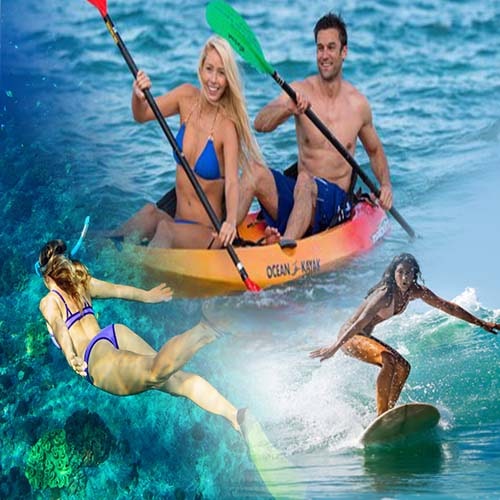
Makena Kayak, Snorkel & Surf Tour

Enjoy an incredible Maui adventure. paddle a kayak, snorkel with sea turtles, and catch your first wave with expert surf instructors.

🕒 Duration: 5½ hours | From: $199/per person

✔️ Free cancellation: up to 24 hours

Book Your package tour

Snorkeling in Maui: Explore the Underwater Paradise

If snorkeling with tropical fish, turtles, and coral reefs is your idea of an ideal vacation, Maui is the right place for you. Every dive, scuba, or snorkel gear is appropriate for this activity; just make sure that you put in a lot of love for the underwater world to be comfortable.

Top Reasons to Snorkel in Maui:

  • Peaceful and relaxing – Great for all ages and fitness levels.
  • Up-close marine life encounters – You can sight sea turtles (Honu), manta rays, and a variety of other fish species.
  • No lessons needed – People with a standard set of equipment are good to go.
  • Wonderful spots like Molokini Crater and Turtle Town.

Best Time to Snorkel in Maui

During the morning (7-11 AM) – The period of the day when the ocean is quiet and clear, as there are no waves and the visibility is excellent.

All year round, with the best conditions and highest visibility in summer.

So, Which Should You Try First?

Try Surfing First if

  • You want to challenge yourself and like the idea of catching a wave.
  • You are active and fond of a new sport.
  • You are just wishing to step on a board and become a boss in paradise.

Go Snorkeling First if

  • You are looking for a way to relax and get to know the ocean floor of Maui.
  • You’re traveling with kids or seniors.
  • You’re not super confident in the ocean (yet!).

Pro Travel Tip:

Why choose when you can have the best of both worlds?

Many of Maui’s guests will book both experiences, one is snorkeling for them to use it as a kind of “warm-up”, then they join a beginner’s class to catch the wave after a couple of days for the complete Hawaiian experience.

Book Your Adventure with Local Maui Experts

No matter if you are in favor of surfing in South Kihei or snorkeling in, the point is: you are better off with a local guide that assures the quality of the services, the safety of the environment, and your pleasant stay. At Maui Eco Tours, we provide:

  • Group sessions & trips
  • Green practices to help marine life thrive
  • Qualified staff and safety equipment